

How IPTV Works: Simple Explanation for New Users 2026
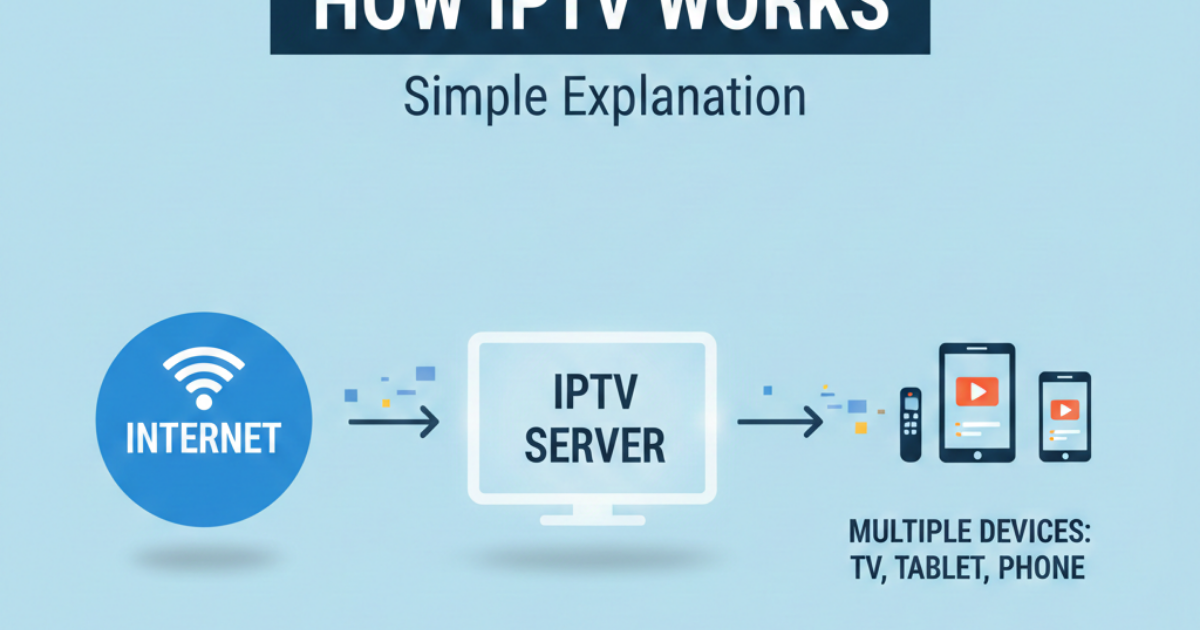
How IPTV Works: Simple Explanation of the Process
Heavy words often make tech sound harder than it really is. Some folks run into IPTV and just can’t picture what happens behind the screen. Here’s an approachable look at how it works, stripped of confusion. Ideas unfold step by step, using everyday speech. Anyone, even if they’ve never touched networking gear, will keep up. The whole thing stays clear without leaning on expert terms.
Television shows sent over the web, that is what IPTV means. Through your home network, programs reach your screen. Cable wires or rooftop dishes? Not needed here. Streaming replaces old signal methods completely. Once the basics click, everything else makes sense.
A single person might run a small setup using tools others rarely notice. Inside that space, control shifts quietly through software few understand fully. One feature lets users hand out access without owning servers themselves. Systems like these keep moving behind the scenes across streaming services today.
IPTV Versus Traditional TV Explained
Streaming shows online works by sending video over the web. Old-style TV depends on airwaves, dish antennas, or wired lines. With this method, pictures travel across digital pathways rather than physical cables.
Picture this: you’re watching a show on your mobile screen. Data flows across the web straight to your gadget. Much like that, IPTV delivers television signals online instead. Its job? Bringing real-time broadcasts alongside videos you pick yourself.
How IPTV Simple Explanation of the Process
Let’s walk through the steps. This breakdown makes the technology easy to understand.
Step One: Content Preparation
Content providers prepare video files. They encode these files into a format suitable for internet transmission. This encoding compresses the video. Compression reduces file size without losing quality.
Step Two: Storage and Servers
The encoded content sits on servers. These servers connect to the internet. They handle requests from viewers. When you select a channel, the server sends the content to you.
Step Three: Data Transmission
The content travels as data packets. These packets move through the internet infrastructure. They follow the fastest available route to your device.
Step Four: Decoding and Display
Your device receives the data packets. Software on your device decodes them. The decoded content appears on your screen. This entire process happens in fractions of a second.
Types of IPTV Services Available
IPTV comes in different formats. Each serves different viewing needs.
Cost Considerations
You pay for what you want. No bundled channels you never watch.
For those interested in exploring business opportunities, becoming an IPTV panel Reseller offers potential in this growing market.
Better Quality Options
IPTV supports high-definition and 4K content. Picture quality often exceeds traditional broadcasts. Sound quality benefits from digital transmission too.
Pros and Cons Comparison
Every technology has strengths and weaknesses. Consider these factors before choosing IPTV.
| Pros | Cons |
|---|---|
| Lower monthly costs | Requires stable internet |
| Watch on multiple devices | Quality depends on connection speed |
| On-demand content access | Initial setup needed |
| No long-term contracts | Some learning curve for new users |
| High definition options | May need additional equipment |
| Flexible viewing schedule | Internet outages affect service |
Weighing these factors helps you make informed decisions.
Common Mistakes New Users Make
Beginners often encounter avoidable problems. Learn from these common errors.
Underestimating Bandwidth Needs
Many new users have insufficient internet speed. They experience constant buffering. Test your connection before subscribing. Upgrade if necessary.
Using Unreliable Services
Not all IPTV providers are equal. Some offer poor quality. Others have unreliable servers. Research providers thoroughly. Read reviews from other UK customers.
Ignoring Device Compatibility
Some devices work better than others. Older smart TVs may struggle. Dedicated IPTV boxes often provide the best experience. Check compatibility before purchasing services.
Skipping the Test Period
Many providers offer trial periods. Use them. Test the service on your equipment. Check channel quality. Verify streaming stability.
Misconceptions About IPTV Cleared Up
Several myths surround IPTV technology. Let us address the most common ones.
Misconception: IPTV Is Complicated
IPTV seems technical but is simple to use. Most services have user-friendly interfaces. Setup takes minutes. Daily use requires no technical knowledge.
Misconception: All IPTV Services Are the Same
Services vary significantly. Channel selection differs. Quality differs. Customer support differs. Compare options before choosing.
Best Practices for IPTV Users
Follow these guidelines for the best experience.
Optimise Your Internet Connection
Use wired connections when possible. Ethernet provides more stability than WiFi. Position your router centrally. Reduce interference from other devices.
Keep Software Updated
Update your apps and devices regularly. Updates improve performance. They fix bugs. They add new features.
Test Before Committing
Always use trial periods. Test during peak viewing hours. Check all features you plan to use.
How IPTV Management Software Works
This section focuses on the software side of IPTV services. This article discusses tools and management systems only. No content is hosted or provided through these explanations.
Panel Systems
IPTV providers use management panels. These panels control user accounts. They manage channel lineups. They monitor service quality.
Reseller Infrastructure
UK IPTV Reseller panels allow businesses to manage sub-accounts. They provide billing tools. They offer customisation options. These are purely administrative systems.
Setting Up Your IPTV Service
Follow this simple process to get started.
Step-by-Step Setup Guide
- Choose a reputable provider
- Select an appropriate subscription plan
- Download the required application
- Enter your login credentials
- Configure your preferences
- Start watching
The process is straightforward. Most users complete setup in under ten minutes.
Feature Comparison of IPTV Delivery Methods
| Feature | IPTV | Cable TV | Satellite TV |
|---|---|---|---|
| Internet required | Yes | No | No |
| On-demand content | Yes | Limited | Limited |
| Multi-device support | Yes | No | No |
| Weather dependency | No | No | Yes |
| Installation complexity | Low | Medium | High |
| Geographic flexibility | High | Low | Medium |
| Picture quality | Excellent | Good | Good |
This happens because many folks across the UK choose to watch their series through internet platforms these days.
Internet Speed Needed for IPTV?
Around 5 Mbps works fine for standard video playback. For sharper images, aim somewhere from 10 to 20 Mbps. Once the display hits ultra-high detail, start considering speeds like 25 to 50 Mbps, or beyond.
Using IPTV Across Multiple Devices?
Yes, most services support multiple devices. Check your subscription terms. Some plans limit simultaneous connections.
Is IPTV legal in the UK?
IPTV technology itself is completely legal. The legality depends on the content accessed. Always use licensed and authorised services.
Do I need a special TV for IPTV?
No special TV is required. Smart TVs work directly. Other TVs work with external devices like IPTV boxes or streaming sticks.
What happens if my internet goes down?
IPTV requires an internet connection. No internet means no service, so consider this when evaluating your reliability needs.
How much data does IPTV use?
Standard definition uses about 1-2 GB per hour. HD uses 3-5 GB per hour. 4K can use 7-10 GB per hour or more.
Can I record programmes with IPTV?
Some services offer recording features. Others provide catch-up services instead. Check with your provider for specific options.
Conclusion
- This simple explanation of how IPTV works should give you confidence to explore internet television. The technology is accessible to everyone. You need only basic equipment and a decent internet connection.
- With IPTV, timing bends to your routine instead of the other way around. What plays now? Your call. Pull it up on nearly any screen lying around. Sharp pictures come through without costing a fortune.
- Try the service first. Using your own gear helps check performance. How well it matches your watch routines becomes clear fast. A handful of days is usually enough to get comfortable with IPTV for most beginners.
- Pick trusted companies when you sign up. Your web link needs to handle the load without slowing down. Make sure gadgets have the latest versions installed. Stick to these steps if smooth streaming matters to you.
Streaming shows online shapes what TV becomes next. Knowing this helps you get ready without confusion. If football, movies, or real-life stories are your thing, one clear choice stands out across homes in Britain.