
This article explains how streaming systems work when they break free from traditional channel structures. You will learn about the technology, benefits, and management tools behind modern IPTV systems.
What Is an IPTV Reseller Panel
A reseller panel is a software tool that lets people manage IPTV subscriptions for others. It is not a content source. It is a business management system. Running through a current streaming setup, the panel lets sellers set up user profiles while watching transaction records. Access management happens right inside it. Hosting nothing themselves, those selling access rely on another system entirely. They simply manage user accounts through the software.
What Is IPTV and How Does It Work?
Traditional TV uses radio waves or satellite signals. IPTV uses data packets. This is the same technology that powers websites and email.
Your IPTV device receives these packets. It converts them into video and audio. You watch this on your screen.
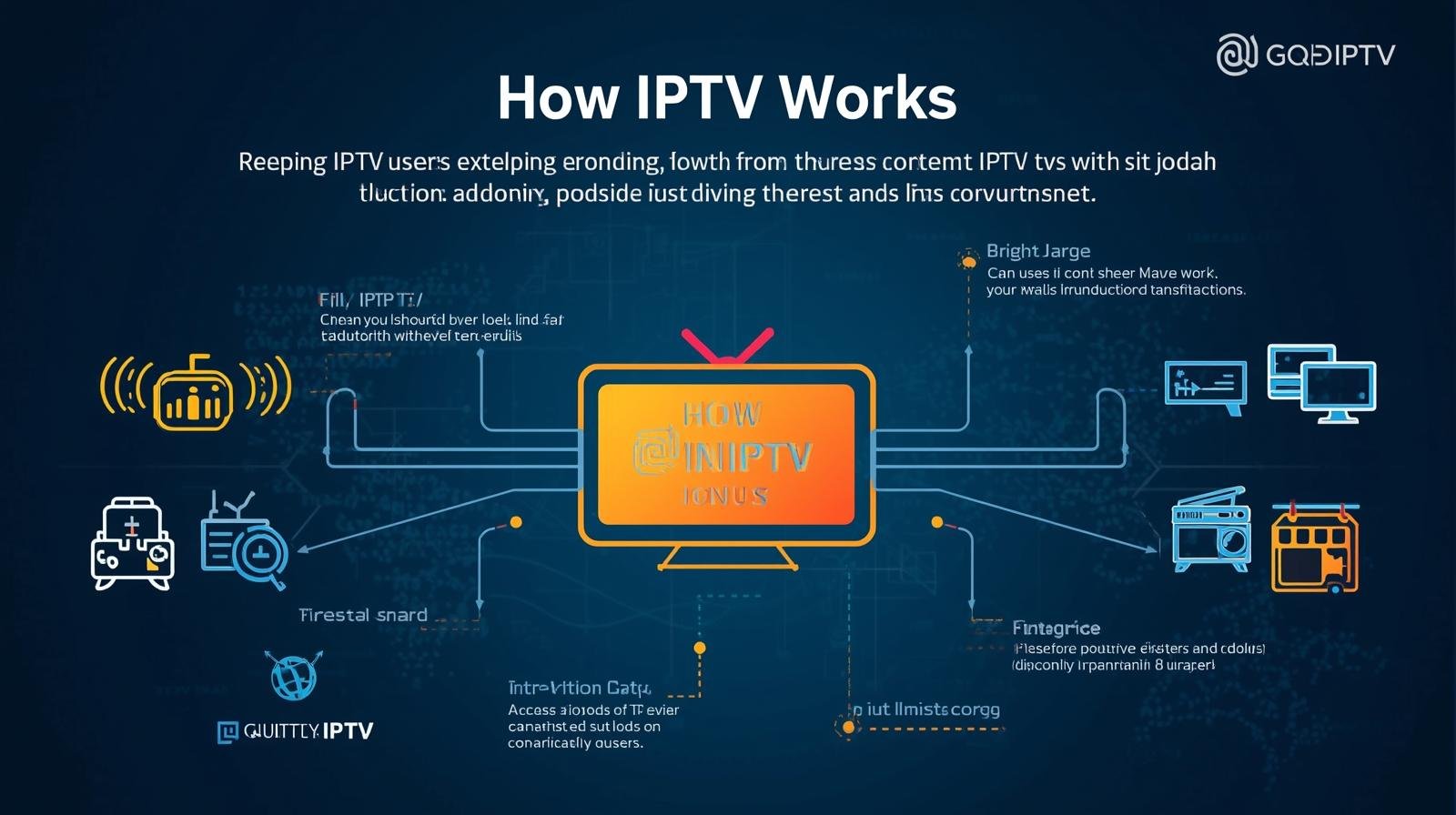
The Technology Behind IPTV Streaming
IPTV systems use three main parts. First, there is the content source. This is usually a server. Second, there is the middleware. This is the brain of the system. It controls what users can see.
Facing the user, the hardware sits ready, maybe a box hooked to the television, perhaps a handheld screen, sometimes just the TV itself with smarts built in.
From the stored videos or incoming live signals, the server handles both types of media. Data gets squeezed into compact streams right there on the machine. User access and account details are sorted through a middle layer system. Based on who is logged in, that layer directs the servers output. What arrives at your screen comes already shaped by earlier choices upstream.
Understanding IPTV Without Traditional Channels
IPTV without how streaming works means breaking away from fixed channel line-ups. Traditional TV forces you to watch what is on. You scroll through hundreds of channels. You find nothing to watch.
Modern IPTV systems work differently. They focus on content libraries. You choose what to watch and when. There are no channel numbers. There are categories and on-demand libraries. The system streams content directly to you. It does not broadcast to everyone at once.
This approach gives you more control. You are not tied to a schedule. You are not paying for channels you never watch. The system streams only what you request.
Key Components of IPTV Systems
Every IPTV system needs certain parts to work. These components handle the technical side. They ensure smooth streaming for users.
| Component | Function | What It Does |
|---|---|---|
| Content Server | Storage and delivery | Holds video files and sends them when requested |
| Middleware | User management | Controls logins, subscriptions, and access rights |
| CDN | Distribution | Spreads content across many locations for faster delivery |
| Client App | Playback | Shows the video on user devices |
| Billing System | Payments | Handles money and subscription plans |
The content server is the library. The middleware is the librarian. The CDN is the delivery network. The client app is the book you are reading. The billing system is the checkout desk.
How Streaming Works in IPTV Systems
Streaming is a step-by-step process. It starts when you press play. It ends when you watch your show. Here is what happens in between.
- You open your IPTV app
- Your device sends a request to the server
- The server checks your subscription
- The middleware grants permission
- Your device receives and buffers the data
- Playback begins on your screen
- The stream continues until you stop watching
This process takes seconds. The system adjusts quality based on your internet speed. It can switch between high and low resolution automatically.
The Streaming Workflow Process
| Step | Action | Time Taken |
|---|---|---|
| User request | Press play | Instant |
| Authentication | Check subscription | 0.5 seconds |
| Server response | Locate content | 0.3 seconds |
| Data delivery | Start streaming | 1-2 seconds |
| Buffering | Load first segment | 2-5 seconds |
| Playback | Watch content | Ongoing |
The whole process usually completes in under five seconds. A good system does this without you noticing the steps.
Benefits of IPTV Without Channel Restrictions
Removing channels creates many advantages. Users get more choice. Providers spend less on wasted bandwidth. Everyone gets a better experience.
Pros vs Cons Table
| Pros | Cons |
|---|---|
| Watch what you want, when you want | Needs good internet connection |
| No paying for unwanted channels | Can be complex for non-technical users |
| Pause, rewind, and fast-forward | Initial setup requires learning |
| Access from any device | Server downtime affects all users |
| Lower costs for providers | Requires regular software updates |
| Easier content management | Bandwidth costs can be high |
The main benefit is flexibility. You are not locked into a channel package. You build your own viewing experience. The system adapts to you. You do not adapt to the system.
Common Misconceptions About IPTV
Many people confuse IPTV technology with illegal streaming. This is a mistake. IPTV is a legal technology. Many legitimate companies use it. Hotels use IPTV for in-room entertainment. Schools use it for distance learning. Businesses use it for training.
The confusion comes from how some people misuse the technology. Some operators stream copyrighted content without permission. This is illegal. It is not the technology that is illegal. It is the activity.
Important clarification: This article discusses software and management tools only. We explain how the technology works. We explain how to manage systems legally.
Another misconception is that IPTV is always live TV. It is not. Most IPTV systems focus on video on demand. Live streaming is just one feature. The technology works for any video content.
IPTV Reseller Panels: A Management Perspective
An IPTV Reseller uses software to manage customers. They do not need technical skills. The panel gives them a simple dashboard. They can add new users with a few clicks. They can see how many people are online.
The reseller buys access from a main provider. They sell this access to their own customers. They manage their own business. The panel handles the technical work.
This is a business model. It is not a content model. Resellers are managers, not broadcasters. They need to understand basic networking. They do not need to understand video encoding.
Pricing Models for IPTV Management Systems
Pricing depends on what you need. Different systems offer different features. The cost usually scales with the number of users. Some charge a flat monthly fee. Others charge per user.
Pricing Plan Comparison
| Plan Type | Monthly Cost | Users Supported | Support Level | Best For |
|---|---|---|---|---|
| Starter | £50-£100 | Up to 100 | Email only | Small resellers |
| Professional | £200-£500 | Up to 500 | Email and phone | Growing businesses |
| Enterprise | £1000+ | Unlimited | 24/7 phone | Large operations |
| White Label | £500-£2000 | Custom | Dedicated manager | Brand owners |
The Pricing Page for any service should show these details clearly. Look for hidden fees. Check what support you get. Make sure the plan fits your business size. Most providers offer free trials. Use them before you commit.
Best Practices for IPTV System Management
Running an IPTV system requires care. Follow these guidelines to avoid problems.
Keep your software updated. Updates fix security holes. They improve performance. Set updates to run automatically.
Monitor your server load. Too many users slow down the system. Add more capacity before problems start. Check usage stats daily.
Use a reliable CDN. This spreads your content worldwide. Users get faster streams. You get fewer complaints.
Have a clear terms of service. Tell users what they can and cannot do. Enforce these rules fairly.
Backup everything. Server failures happen. Backups get you running again quickly. Store backups in different locations.
Test your streams regularly. Watch your own content. Check for buffering issues. Fix problems before users report them.
FAQs
Is IPTV legal in the UK?
Possibly, IPTV as a tech falls within legal boundaries. Yet when folks watch protected shows without approval, that crosses into unlawful territory. Stick to official platforms if access is meant to stay above board.
Equipment Needed for IPTV?
Most smartphones, tablets, and television sets handle it fine. An application might be required. Better speed comes sometimes with a separate device hooked up beside the TV.
What speed should your internet have?
Most of the time, 5 Mbps works just fine. When it comes to HD, a solid 10 Mbps makes things smooth. As for 4K, pushing past 25 Mbps helps avoid hiccups.
IPTV vs Netflix Differences?
Streaming shows through Netflix works like television over internet lines. Not cable, but data packets carry episodes straight to screens.
. IPTV is the technology. Netflix uses that technology to deliver content. Other IPTV services may work differently.
Can I become an IPTV reseller?
Yes, if you understand it is a management business. You will need a reseller panel from a provider. You will manage customers.
Why does my stream buffer?
Buffering usually means slow internet. It can also mean server problems. Check your connection first. If the problem persists, contact your provider.
Does IPTV work on multiple devices?
Most services allow one to five devices per account. Check your plan details. Using more devices than allowed can block your account.
Conclusion
IPTV without how streaming systems work represents the future of video delivery. The technology removes old channel limitations. It puts viewers in control. It reduces costs for providers.
This article has explained the software and management tools behind these systems. We have shown the workflow. We have discussed pricing and best practices.
Remember, IPTV is a neutral technology. Its legality depends on how you use it. Focus on legitimate content. Focus on delivering value to users. The technology will handle the rest.
The market continues to grow. Simple systems, clear management, and reliable streaming win every time.